

Iconography
Fifteen Plates
Throughout the book, fifteen plates set our central images side by side: the seesaw of divided life, the anatomy of an invoice, Bateson’s cane, the nested torus, the desert culvert, the broom in Pecos County, the Śrīcakra beside an enzyme loop, the motel ledger, the oscilloscope faceplate, and the kitchen sink.
Plate 1
The Dualistic Seesaw: Commercial Ledgers vs. Isolated Contemplation
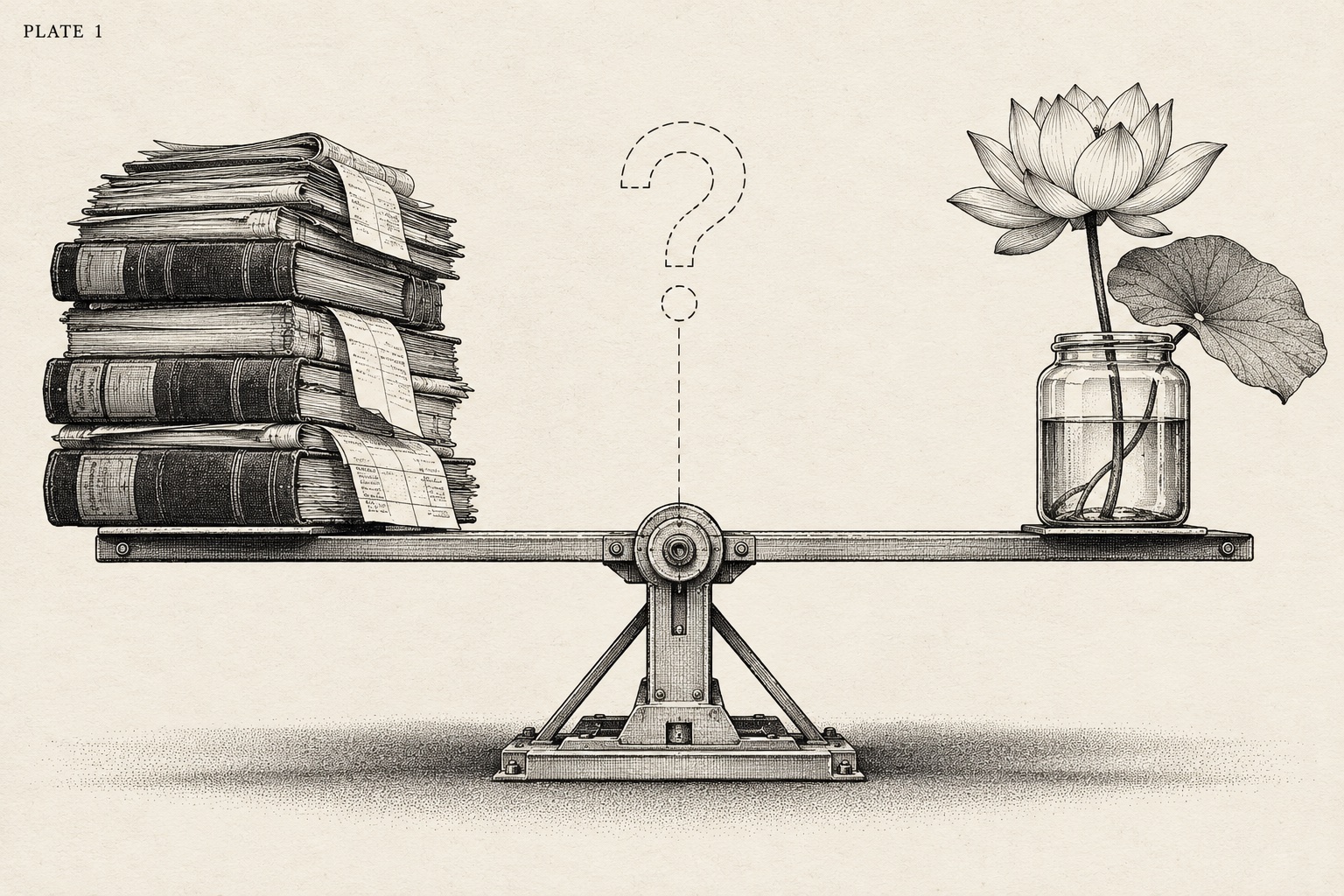
FIG. 1.1 — The Illusion of the Zero-Sum Seesaw. When conventional livelihood (saṃvṛti-satya) and contemplative stillness (paramārtha-satya) are spatialized as rival substances, lifting one end forces the other into the mud.
Plate 2
Dependent Arising of a Commercial Invoice
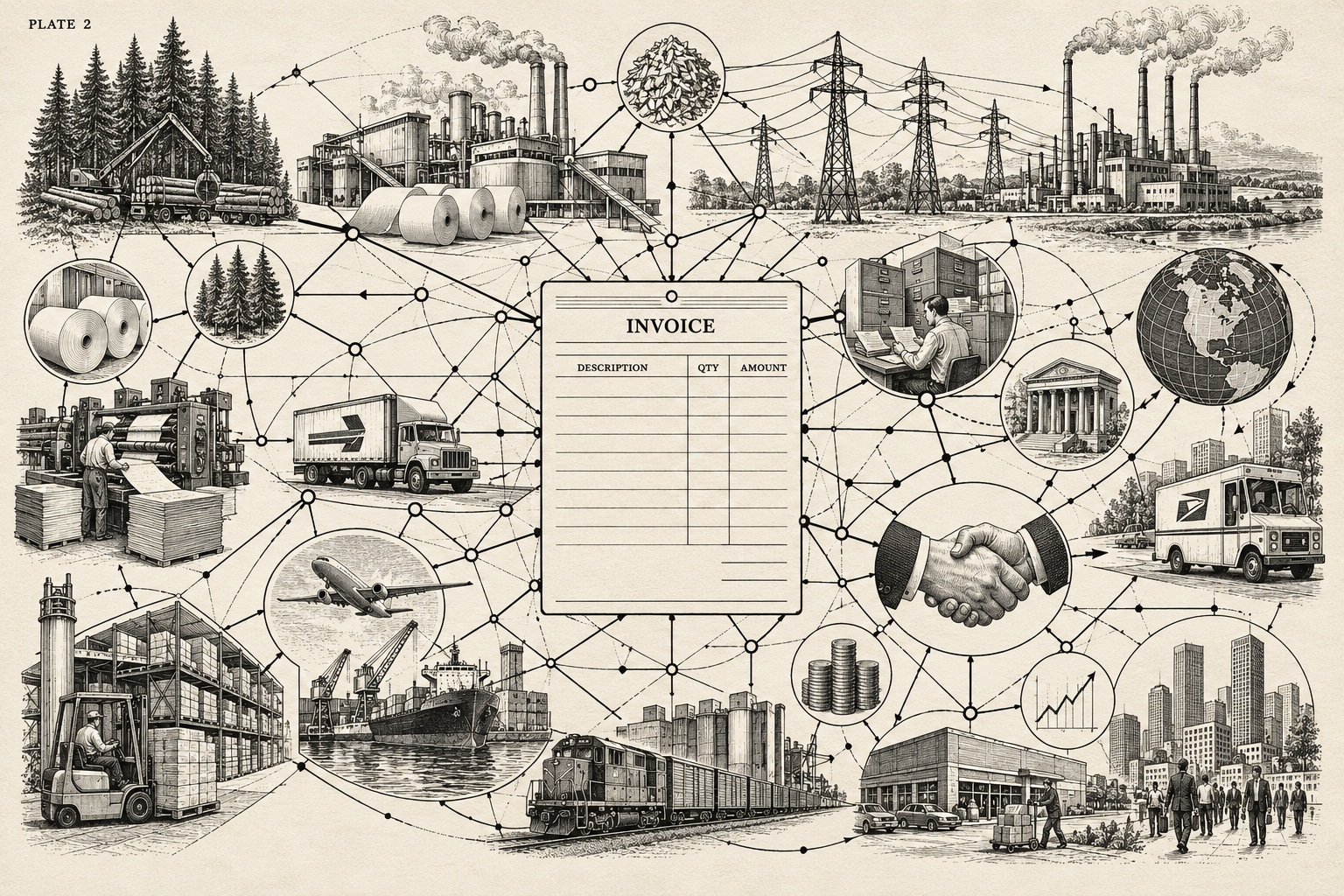
FIG. 1.2 — Ontological Anatomy of an Invoice. An $800 consulting invoice possesses zero autonomous essence (svabhāva); it functions precisely because it is constituted by converging forestry, energy, laboratory, and monetary circuits.
Plate 3
Bateson’s Blind Man and the Extended Cybernetic Circuit
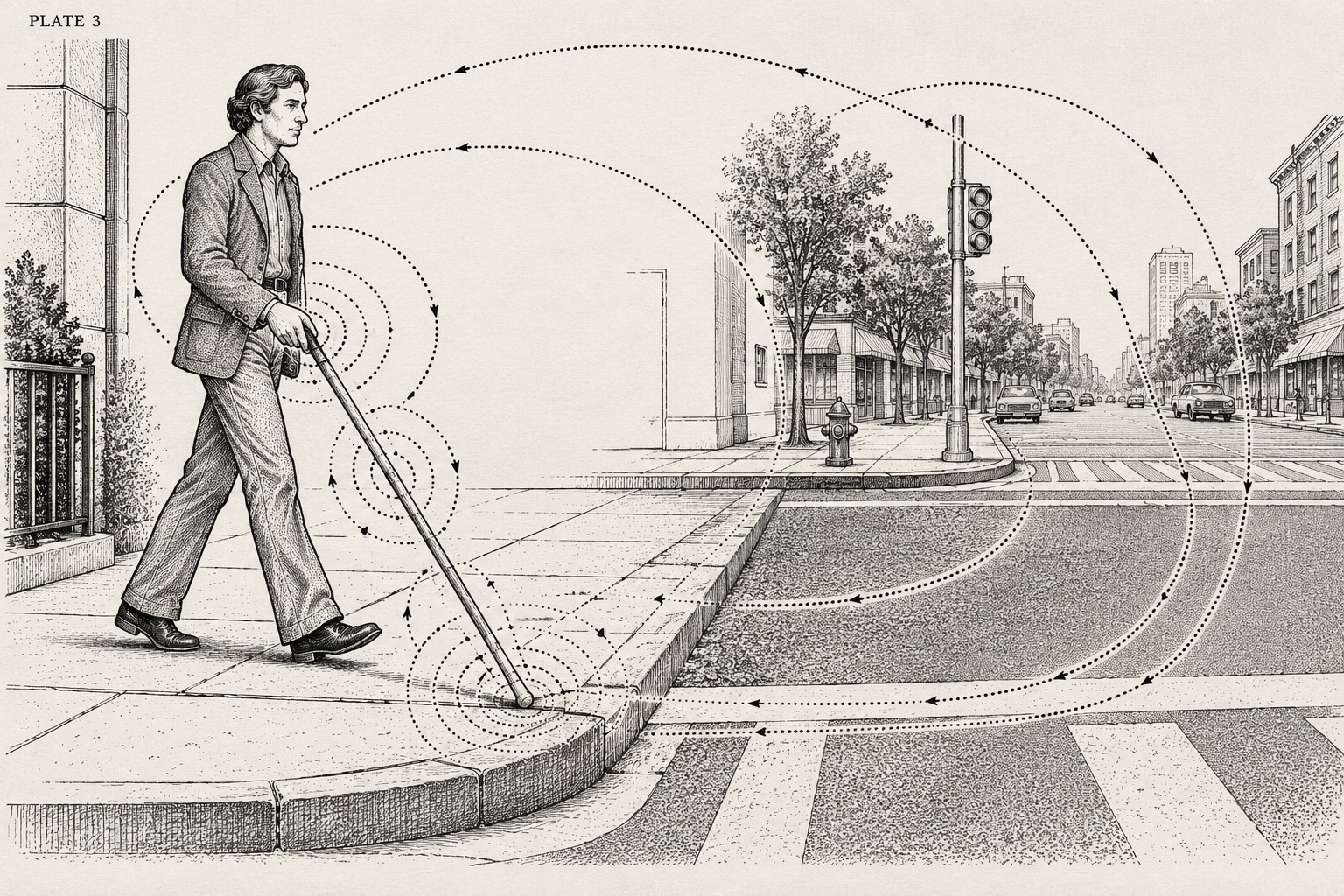
FIG. 1.3 — Gregory Bateson’s Extended Cybernetic Mind (1972). The minimum unit of explanation for navigation is the closed loop across street, cane tip, shaft, Pacinian corpuscles, cortex, and arm muscles.
Plate 4
The Concentric Nested Supertoroid
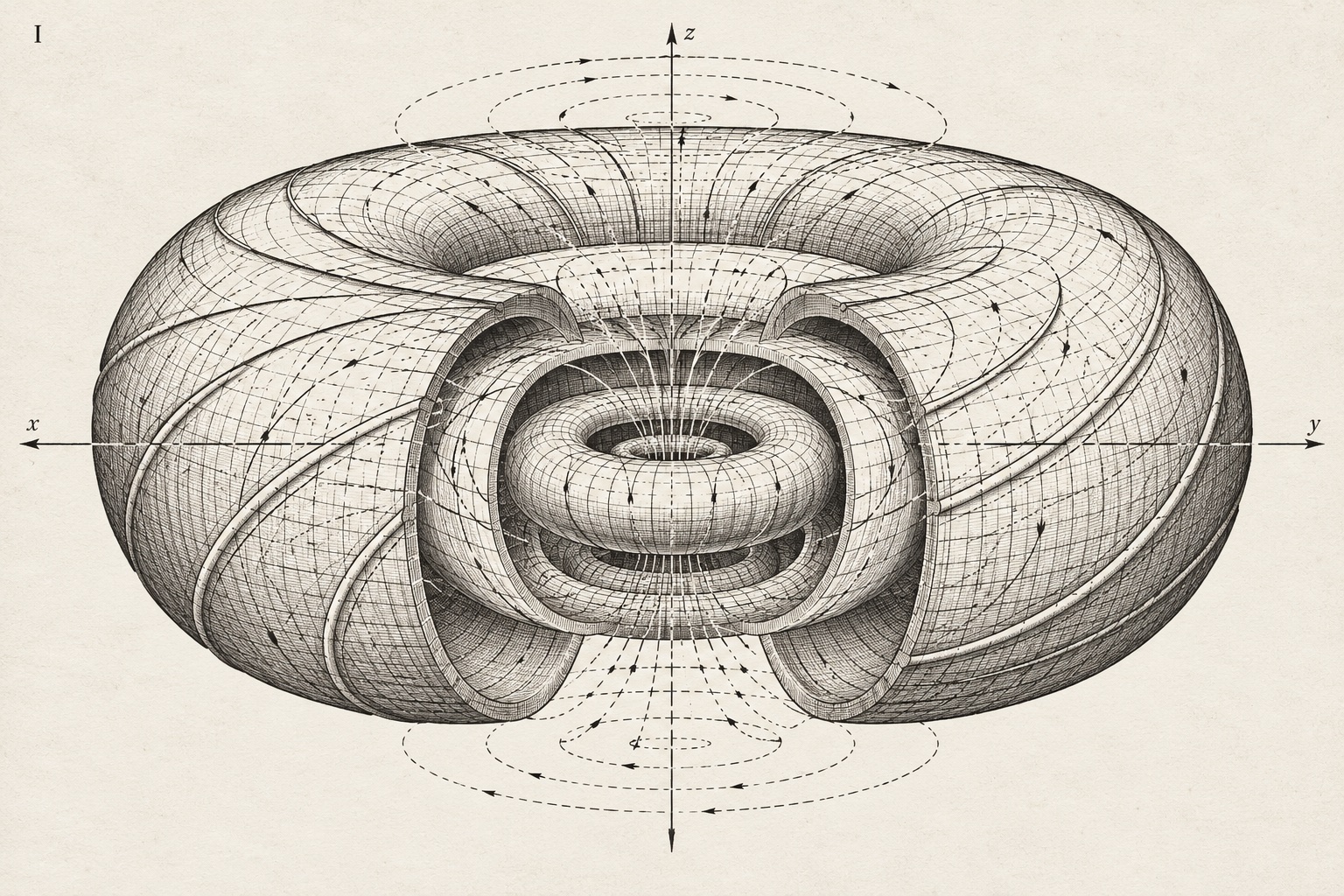
FIG. 2.1 — The Concentric Nested Supertoroid X(r, θ, φ). Varying the minor radius r inside major radius R generates a family of non-intersecting toroidal flux surfaces of topology S¹ × S¹.
Plate 5
Poloidal-Toroidal Vector Decomposition and the Safety Factor
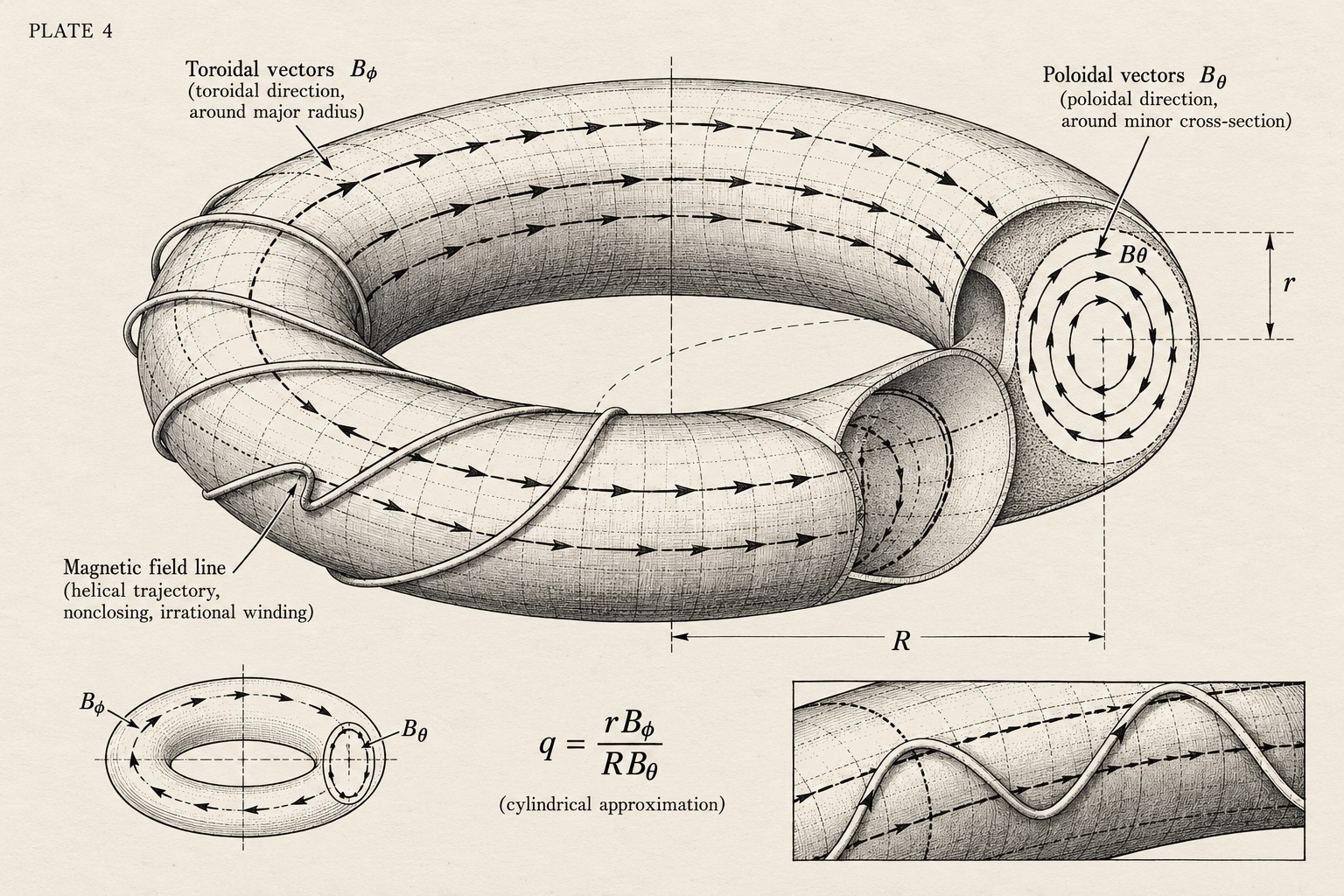
FIG. 2.2 — Orthogonal Field Decomposition and the Safety Factor q ≈ rB_φ / (RB_θ). Simultaneous toroidal (φ) and poloidal (θ) circulation prevents vertical charge-separation drift from hurling the plasma into the wall.
Plate 6
Taylor’s Constrained Relaxation
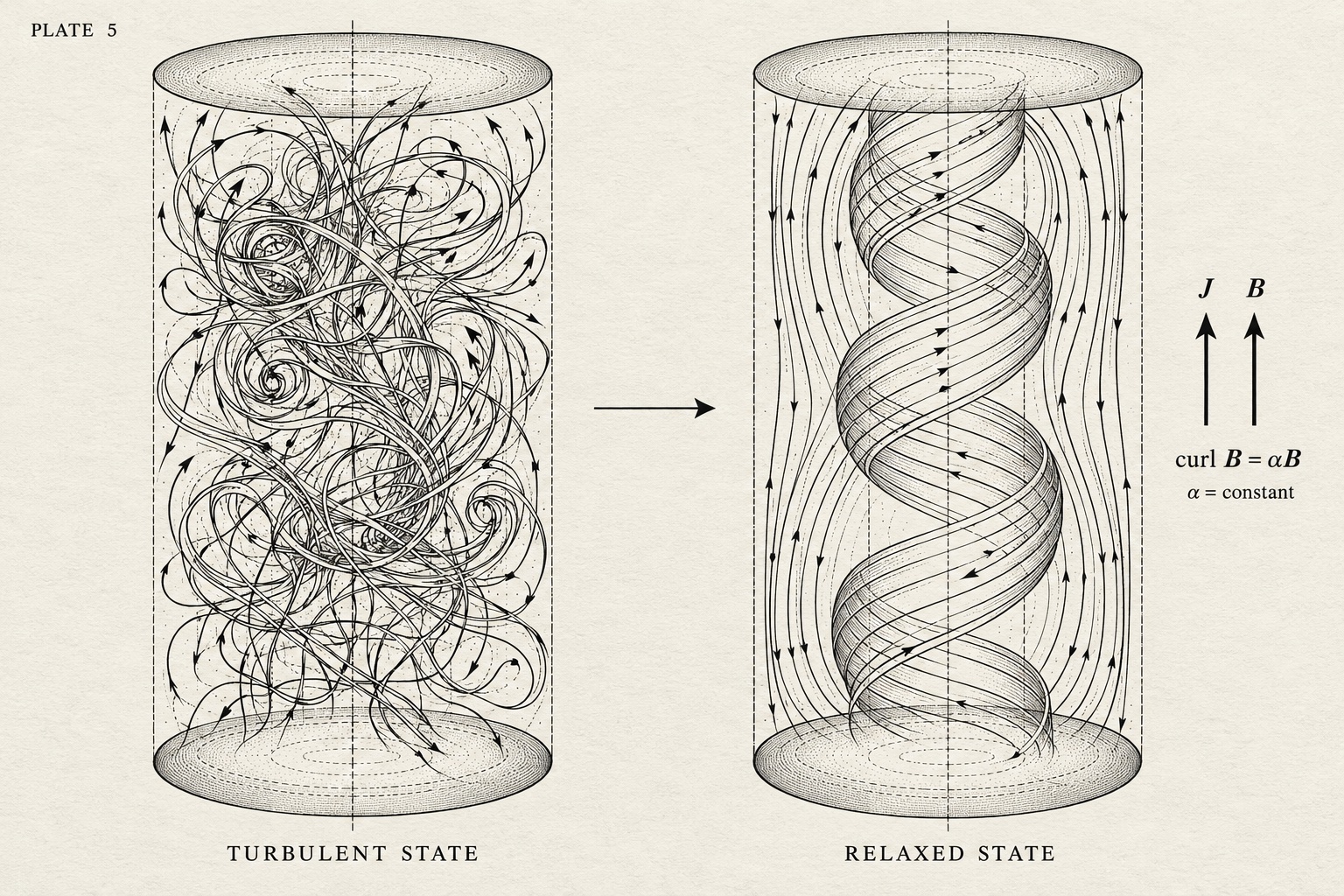
FIG. 2.3 — J. B. Taylor’s Constrained Plasma Relaxation (1974). Left: High-energy turbulent flux (W >> W_min) with tearing Lorentz stress (J × B ≠ 0). Right: Relaxed force-free equilibrium (∇ × B = λB) conserving global helicity K_0.
Plate 7
The Itinerant Chemist on the 1972 Desert Highway
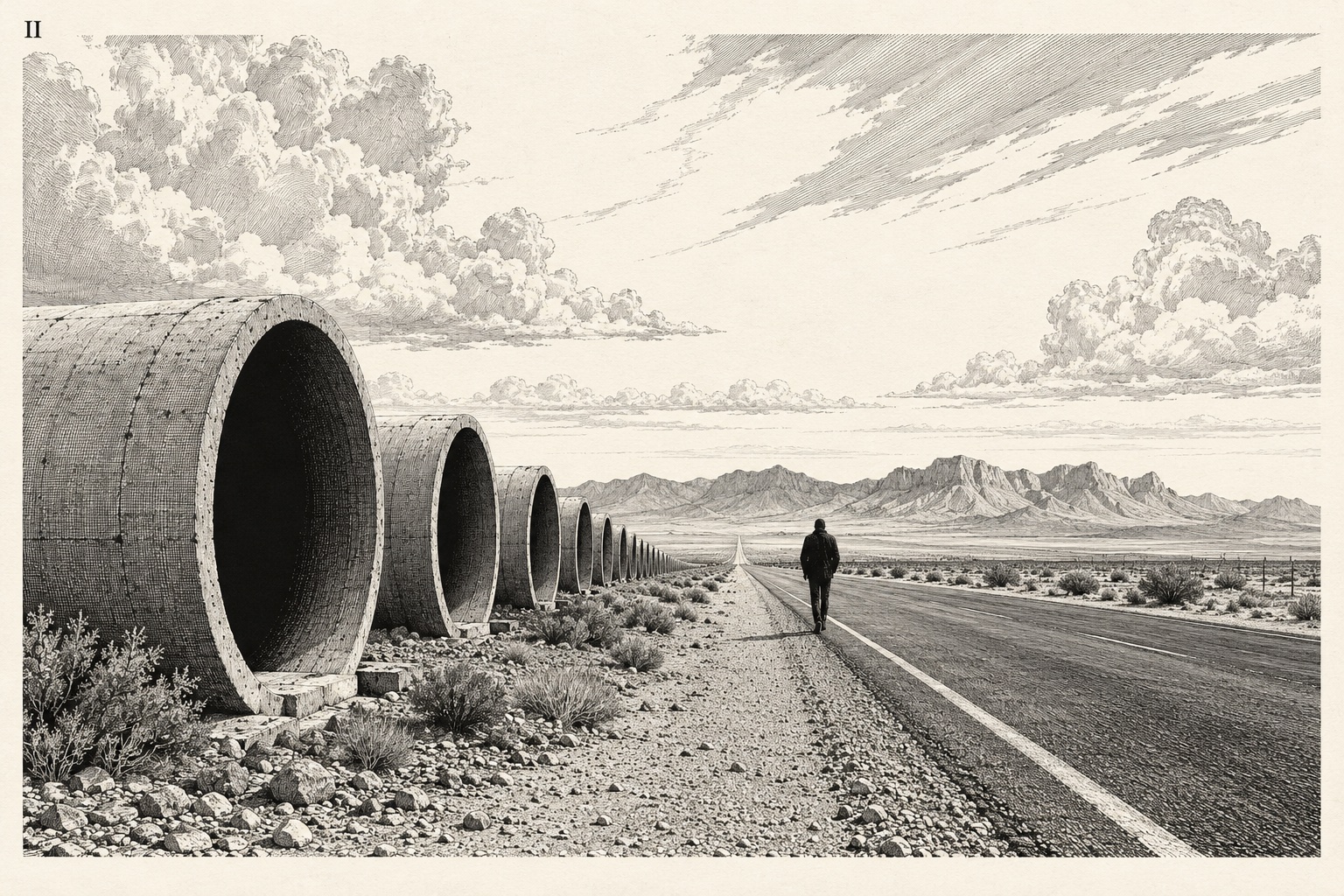
FIG. 3.1 — The 1972 Field Experiment. A twenty-six-year-old chemist walking two thousand miles from California to New Orleans to test the boundary conditions of the extended socio-ecological circuit.
Plate 8
Concrete Drainage Culvert and Desert Mesas
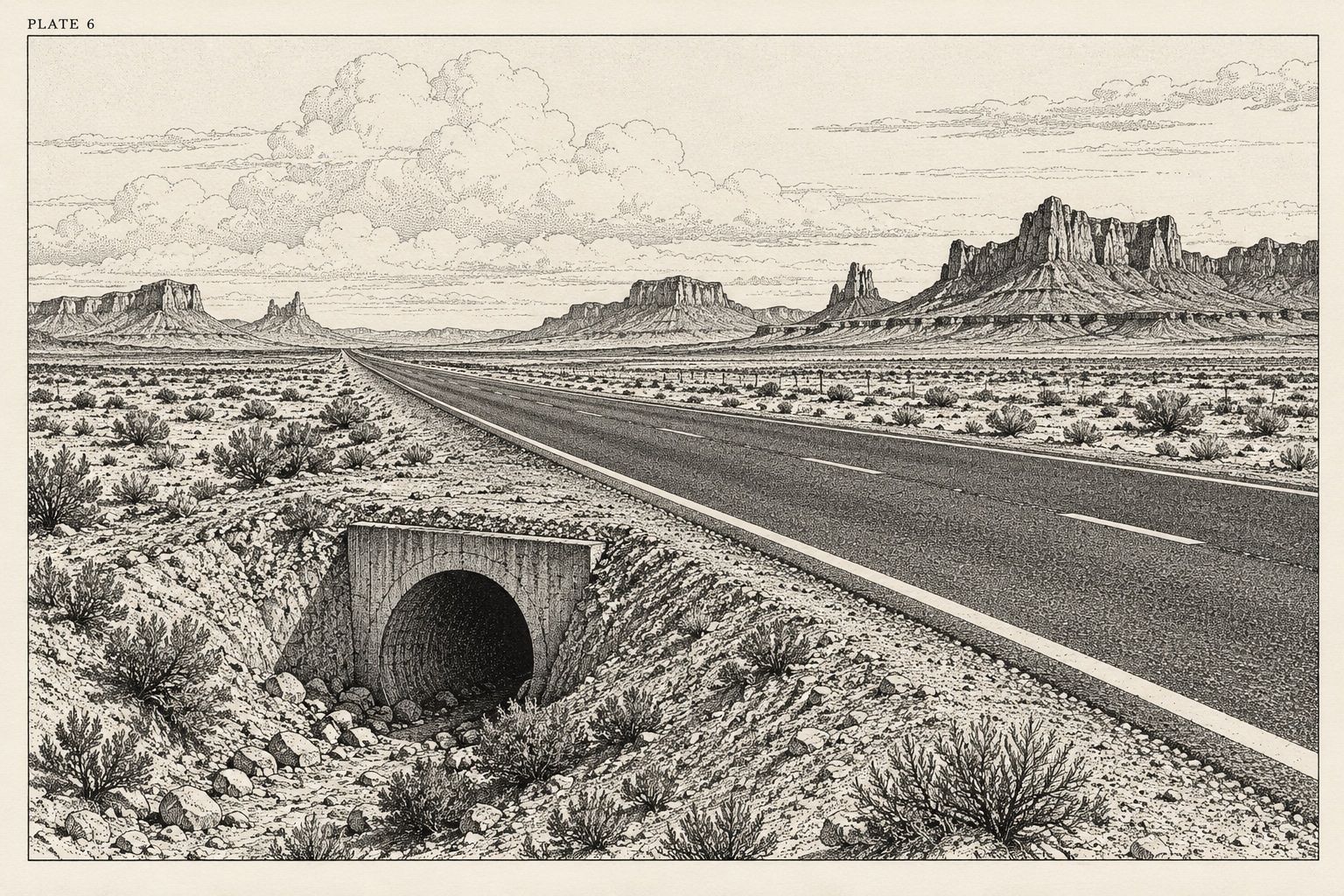
FIG. 3.2 — Provisional Shelter: The Concrete Highway Drainage Culvert. A cylindrical waveguide (S¹ × [-L/2, L/2]) beneath the roadbed where passing diesel freight returns as low-frequency Helmholtz resonance.
Plate 9
Reciprocity in Pecos County: The Push-Broom and Tool Chest
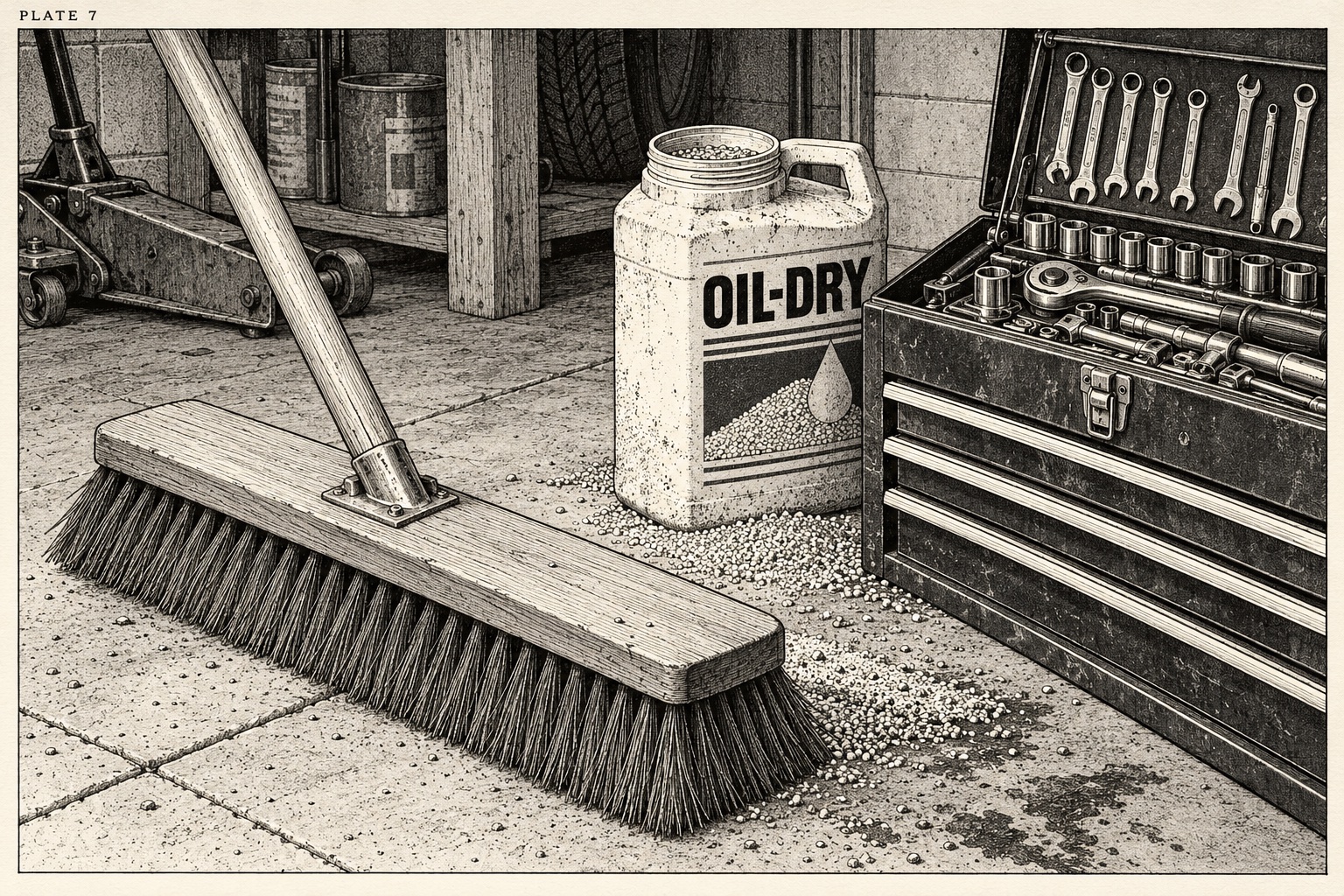
FIG. 3.3 — Closing the Reciprocal Loop in Pecos County, Texas. The thirty-inch palmyra push-broom and fuller’s earth granules through which muscular output (P_out) balanced caloric intake (P_in).
Plate 10
Interpenetrating Triangles of the Śrīcakra Around the Bindu
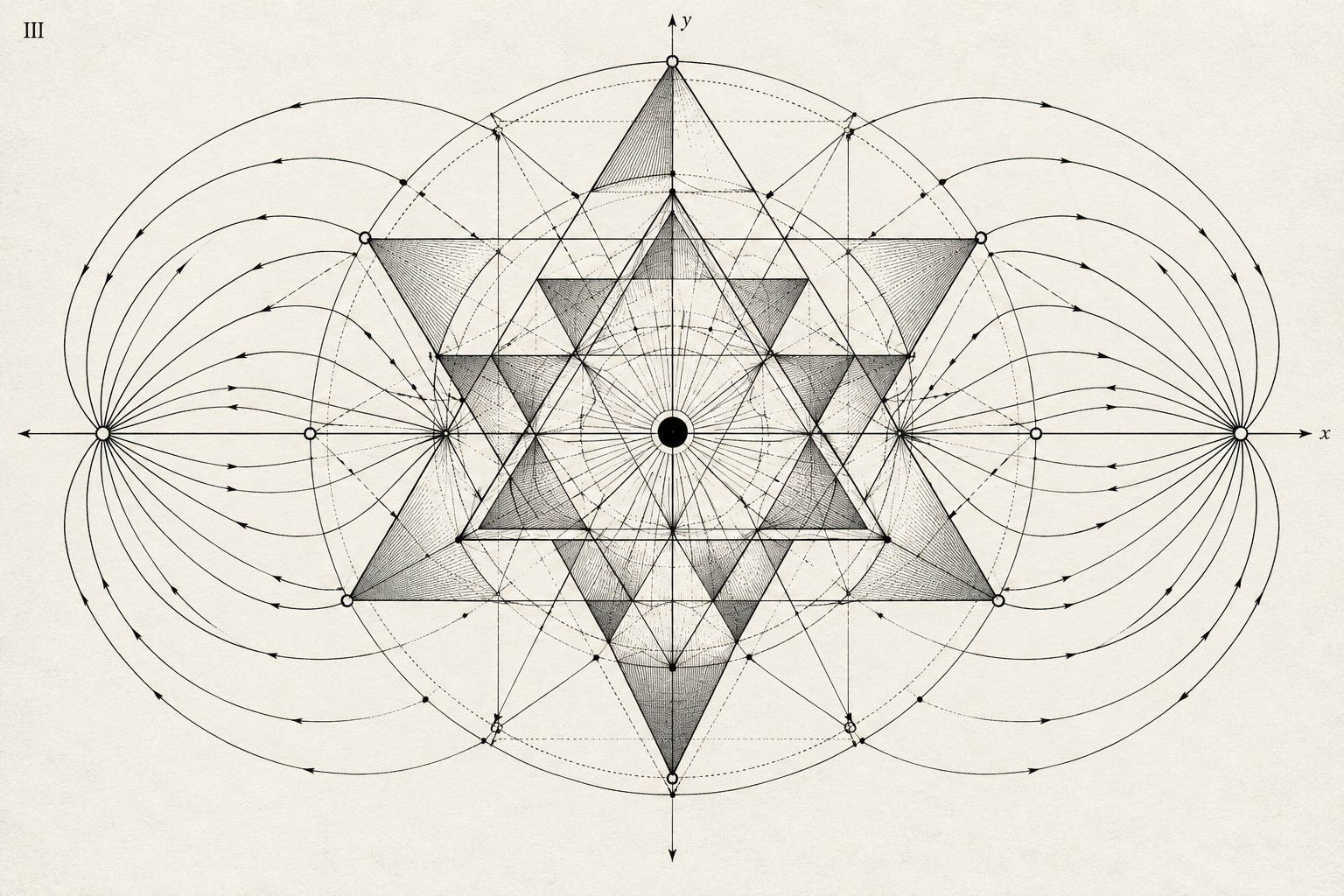
FIG. 4.1 — The Śrīcakra (Śrī Yantra) of the Saundarya Laharī. Four upward-pointing triangles (Śiva, quiescent awareness) and five downward-pointing triangles (Śakti, dynamic power) radiating from the central bindu.
Plate 11
The Śrī Yantra Coupled to Enzymatic Reaction Networks
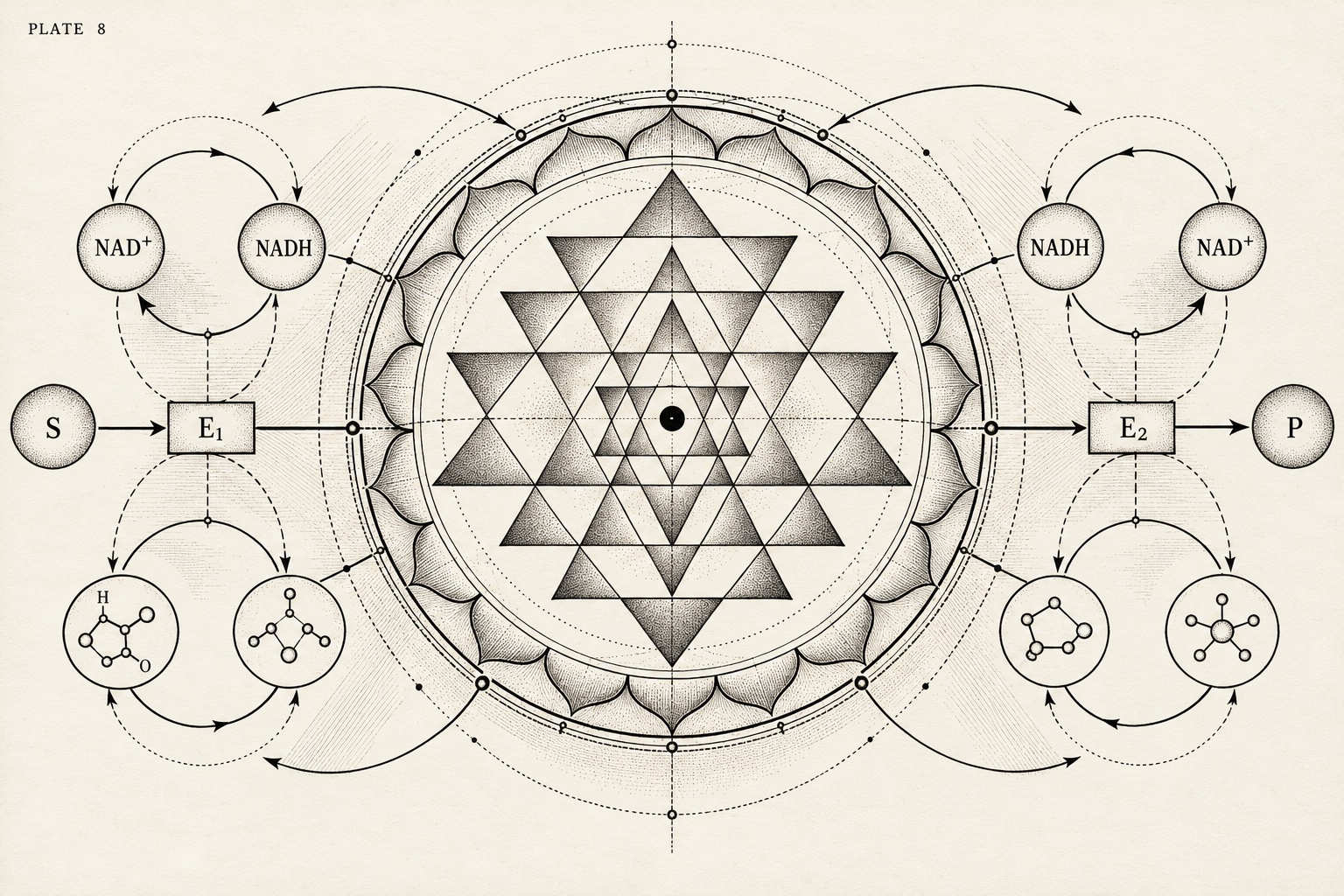
FIG. 4.2 — Contemplative Correspondence at the Workbench. Attention gathers at the bindu, differentiates into structured kinetic reaction pathways, and returns through empirical reflection.
Plate 12
Cell-Free Continuous-Flow Reactor with a Superinserted Cofactor Loop
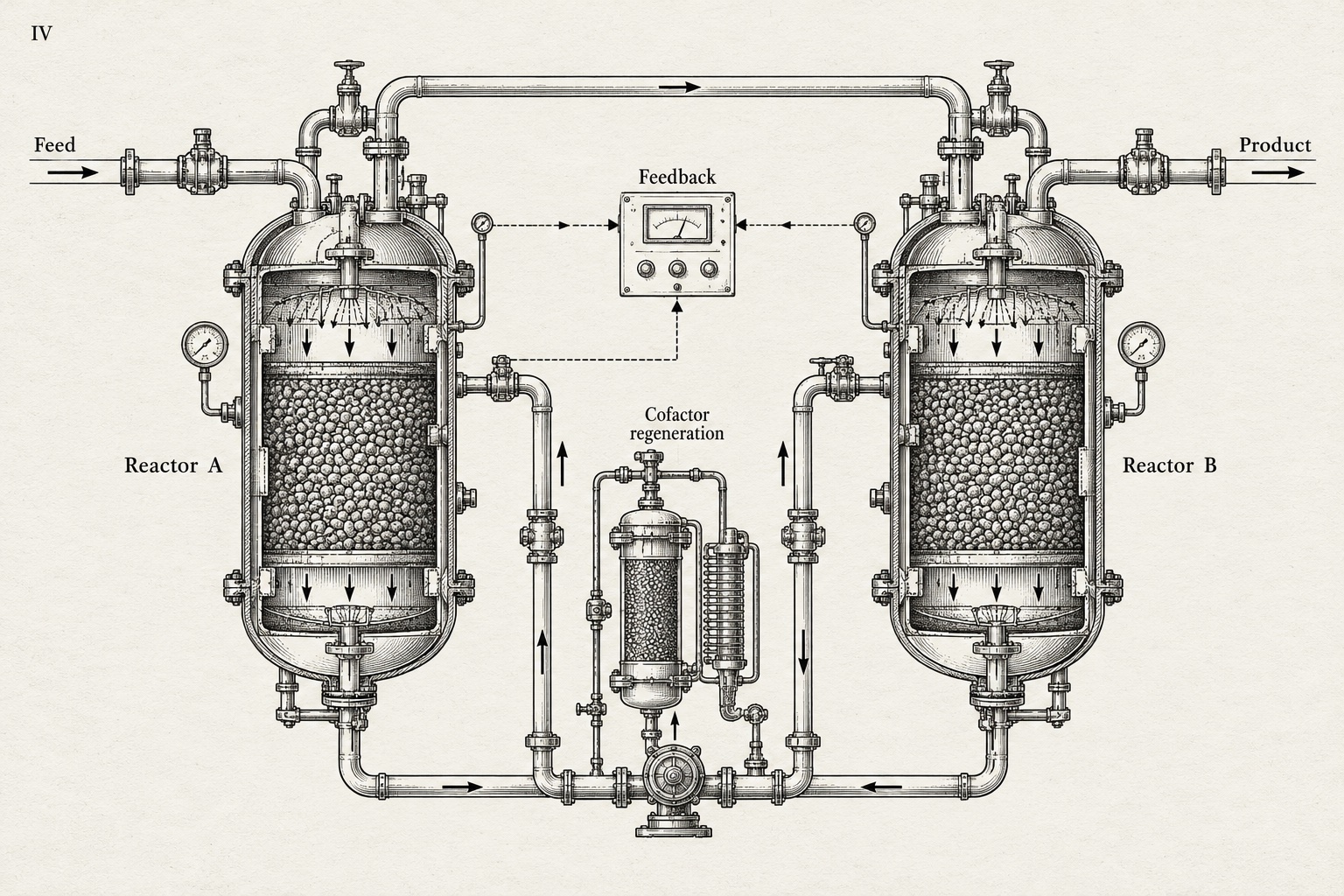
FIG. 4.3 — Catalytic Superinsertion (October 1975). A zoned cell-free immobilized enzyme cascade (φ) coupled to auxiliary cofactor regeneration sub-loops (θ) that restore spent ATP and NADPH in situ.
Plate 13
The 1975 Motel Stationery Two-Column Ledger
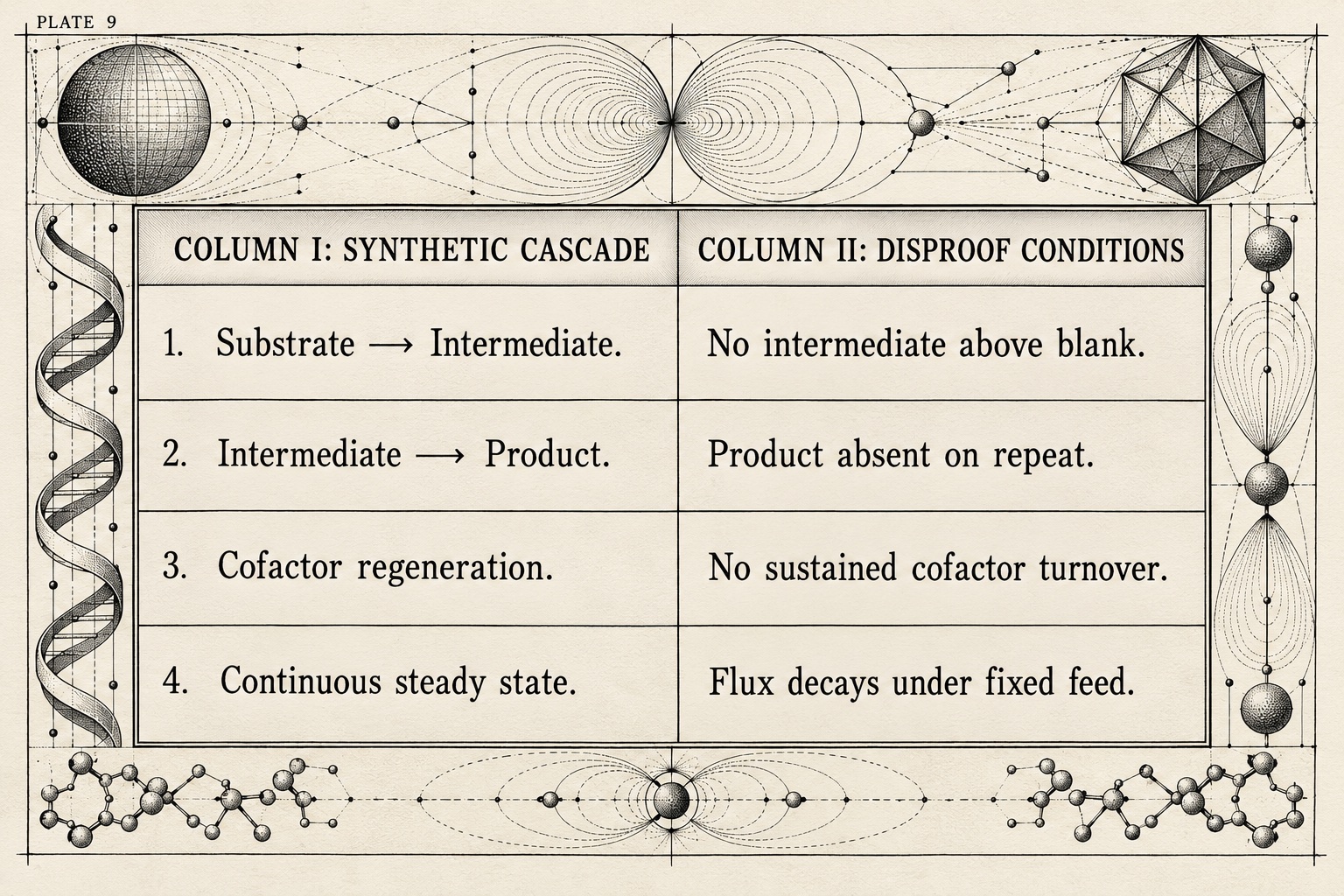
FIG. 4.4 — Sheet 9 of the Sagebrush Motor Lodge Stationery (October 21, 1975). Crossing out 'COMPLETE' and ruling Column II ('What Would Disprove Each Step') to build a machine capable of correcting its creator.
Plate 14
The Oscilloscope Faceplate as a Serviceable Mask
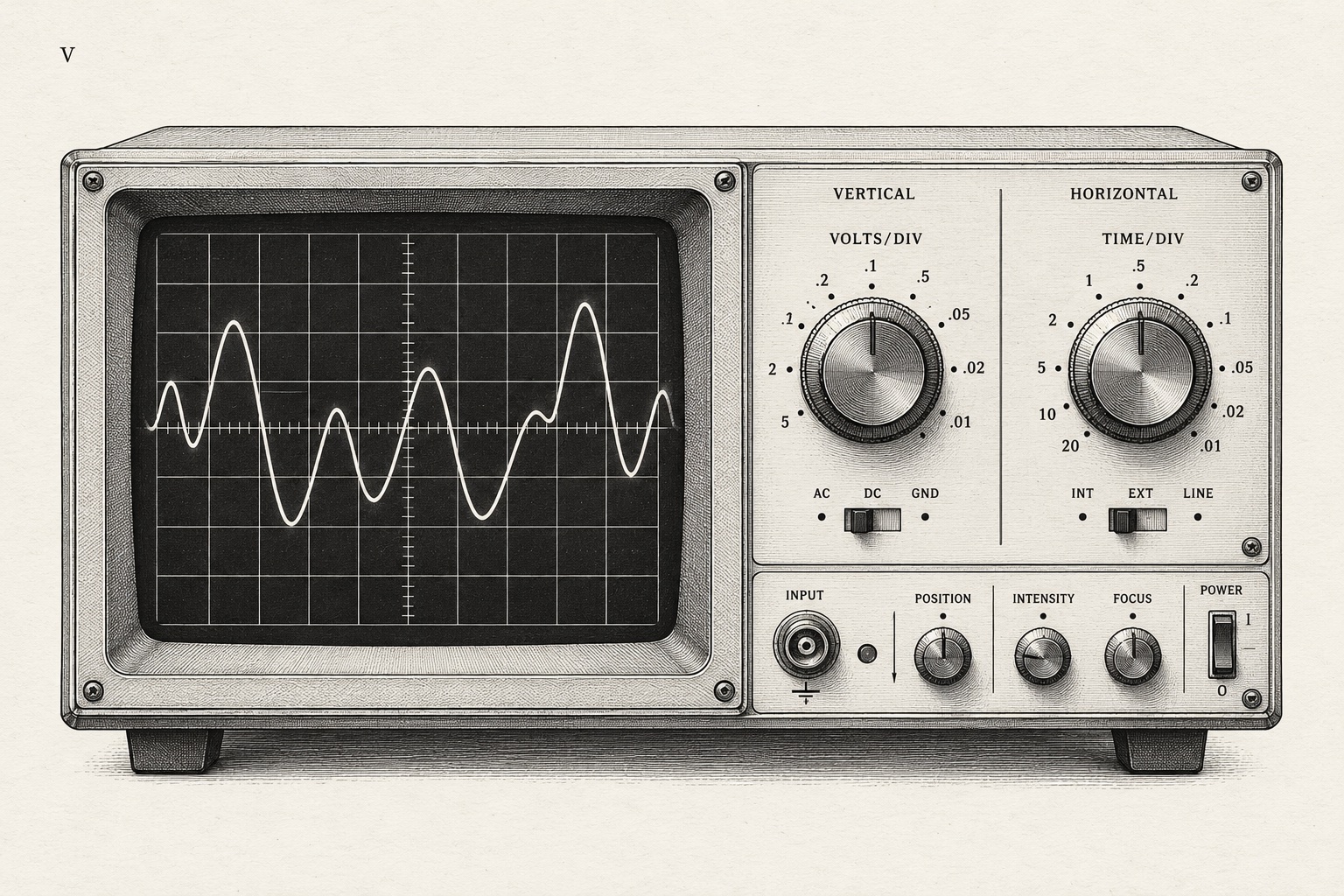
FIG. 5.1 — The Mask of Serviceability. Like the brushed-aluminum faceplate on a Tektronix oscilloscope, a calibrated professional manner is an impedance-matching ring that keeps a high-variety workshop legible to others.
Plate 15
Oscilloscope and Kitchen Sink
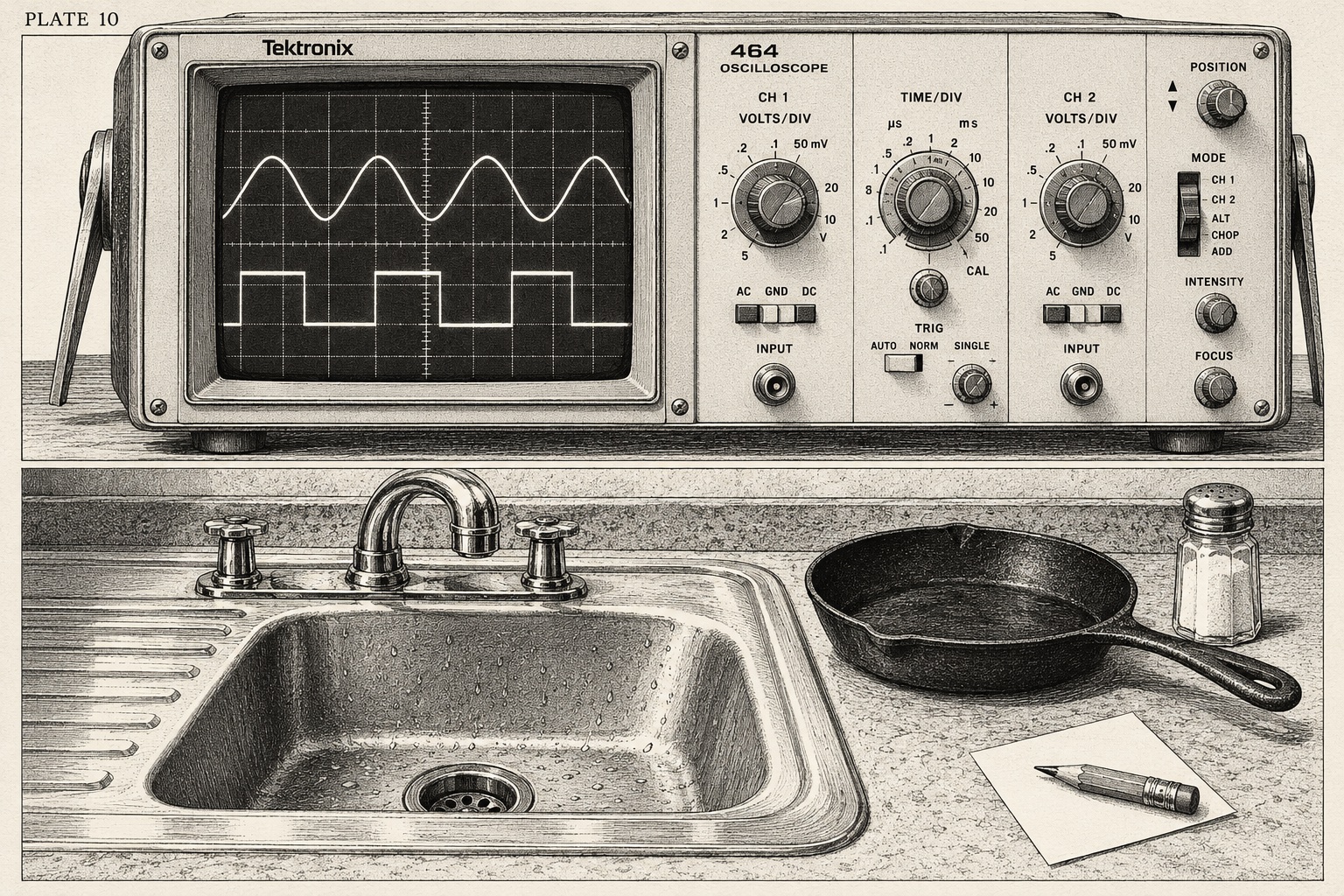
FIG. 6.1 — Purge, Marry, Simplify. Top: High-precision laboratory instrumentation. Bottom: The domestic threshold at the kitchen sink, showing the cast-iron pan and the two-inch notepad beside the salt shaker.